

Dental Hygiene
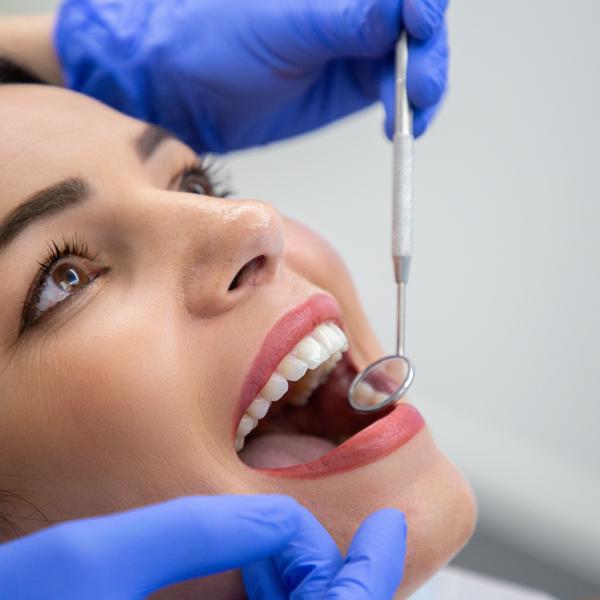
Dental hygiene includes the professional removal of plaque and tartar from the surface of the teeth, helping maintain healthy teeth and gums. Regular cleanings reduce the risk of inflammation, periodontal disease and other oral health problems.

Why is it important?
Regular dental hygiene is essential for maintaining oral health because it helps prevent gum diseases such as gingivitis and periodontitis. By removing plaque, bacteria and tartar, healthy teeth and gums are preserved, and the risk of more serious complications is reduced.
In addition to health benefits, professional cleaning also improves the aesthetics of your smile. After treatment, teeth become smoother, brighter and visually cleaner. Regular hygiene treatments also extend the lifespan of teeth and reduce the possibility of premature tooth loss.
Dental hygiene is an important part of maintaining healthy teeth and gums. It includes preventive procedures that remove deposits, reduce the risk of cavities and gum disease, and ensure long-term oral health.
Frequently asked questions
How often is dental hygiene necessary?
Professional dental cleaning is recommended every 3, 6 or 12 months, depending on the dentist’s or dental hygienist’s recommendation, as well as the condition of the teeth, gums and individual patient needs.
Why do gums bleed?
Bleeding gums are most commonly a sign of inflammation or irritation. The most common causes include:
- Gingivitis – a mild inflammation of the gums caused by plaque accumulation. If plaque is not removed through proper brushing and flossing, the gums become red, swollen and prone to bleeding.
- Periodontitis – if gingivitis is left untreated, it can progress to periodontitis, a more serious infection that affects the tissues and bone supporting the teeth, often causing persistent bleeding.
- Improper oral hygiene – incorrect brushing techniques, insufficient cleaning between the teeth or plaque buildup can irritate the gums and lead to bleeding.
- Using unsuitable toothbrushes or techniques – brushing too aggressively or using hard-bristled toothbrushes may damage the gums and cause bleeding.
- Hormonal changes – hormonal fluctuations during pregnancy, menstruation or menopause may increase gum sensitivity and bleeding.
- Smoking – smoking weakens the immune system and makes it harder for the body to fight gum infections, which may result in bleeding.
- Vitamin deficiencies – lack of vitamins C and K can increase gum sensitivity and bleeding.
- Certain medications – some medicines, such as anticoagulants, may increase the risk of bleeding.
- Stress and weakened immunity – stress can weaken the immune system, making the gums more susceptible to infections and inflammation.
How can gum bleeding be prevented?
The basic rules are: maintaining regular oral hygiene twice a day, using proper brushing techniques, attending regular dental check-ups, following a healthy diet, avoiding smoking and managing stress.
Make an appointment for your first free consultation
Contact us with confidence and talk to our expert team for a free specialist examination.
