

Dental Crowns
Dental crowns are a reliable solution for strengthening weakened and damaged teeth and replacing missing teeth. They provide long-term stability, a natural appearance and blend harmoniously with your smile.
What are dental crowns?
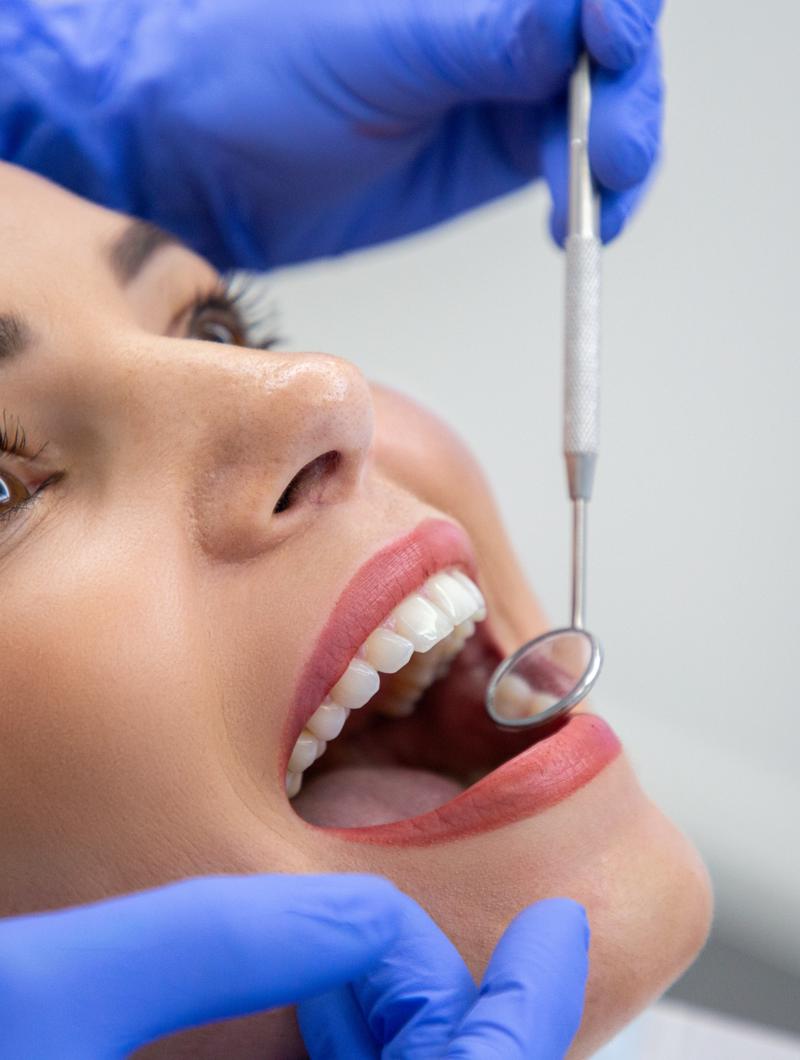
Dental crowns are fixed prosthetic restorations individually designed according to each patient’s anatomy and needs. They are used to restore damaged, weakened or lost teeth and represent a reliable solution after various dental procedures.
Crowns are placed on natural teeth or dental implants, providing stability, functionality and a natural appearance. Thanks to precise fabrication, they fit perfectly into the smile and allow comfortable everyday use.
The process of creating crowns is tailored to each patient, and the duration of treatment depends on the individual case. We use only high-quality materials that ensure durability, resistance and premium aesthetics.
Dental crowns restore proper chewing and speech function and significantly improve quality of life. With proper oral hygiene and regular check-ups, they can last for many years, making them a valuable long-term investment in your smile.
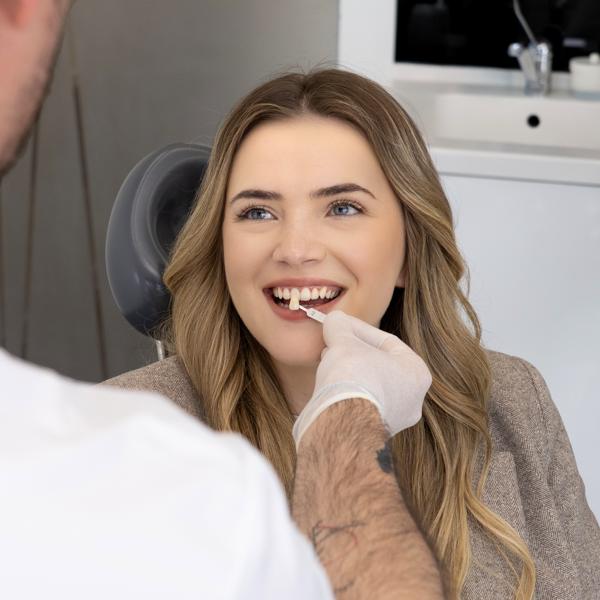
The shade of the crown is selected individually to match the natural colour of your teeth, skin tone, hair and eyes in order to achieve the most natural result possible. If necessary, teeth whitening may be recommended beforehand to create a harmonious and aesthetically perfect smile.
Benefits of dental crowns:
- Restore the natural appearance of damaged teeth and replace missing teeth
- Strengthen and protect damaged teeth from further deterioration
- Provide additional stability to teeth previously affected by decay
- Protect sensitive and weakened teeth from new cavities and fractures
- Improve smile aesthetics and self-confidence
- Enhance chewing and speech function
- Offer a stable, fixed and long-lasting solution
When do we recommend dental crowns?
When more than half of the tooth has been filled
When a natural tooth affected by decay has a large filling, it is often necessary to protect the tooth with a crown to prevent fractures of the remaining tooth structure. In such cases, conventional fillings can no longer provide sufficient stability.
After root canal treatment
After the removal of the dental pulp, root canal treated teeth become devitalized and often develop a dark grey or brown shade that no longer aesthetically matches the surrounding teeth. In addition to providing stability, a crown also improves the appearance of the treated tooth.
Due to other types of damage not caused by decay
Bruxism, erosion of hard dental tissues caused by acid reflux, bulimia or acidic nutrition can damage and weaken teeth. Over time, the bite may also change, and the only way to restore and protect the teeth may be with dental crowns.
To improve smile aesthetics
Undesirable tooth colour, shape irregularities or gaps between teeth (diastema) can be corrected with crowns. In this way, teeth can be protected while also improving their appearance.
Types of dental crowns
Frequently Asked Questions
Frequently Asked Questions about dental crowns
How long do dental crowns last?
Dental crowns generally last between ten and fifteen years and, with proper oral hygiene and regular check-ups, can last even longer. Their lifespan depends on the selected material as well as everyday habits and maintenance.
Can dental crowns become damaged or fall off?
Crowns can become damaged or loosen if exposed to excessive forces or if the bond with the tooth weakens. Caution is recommended when consuming very hard or sticky foods, and regular check-ups help detect possible changes in time.
How should oral hygiene be maintained with dental crowns?
Maintaining hygiene is just as important as with natural teeth. It is recommended to brush teeth at least twice a day, use dental floss or interdental brushes every day, and use a soft toothbrush with non-abrasive toothpaste. Regular dental check-ups and professional cleanings additionally contribute to the longevity of crowns.
What are the signs that a dental crown should be replaced?
Replacement may be necessary if sensitivity to hot or cold occurs, pain while chewing, visible damage or if there is movement of the crown. Redness, swelling or bleeding of the gums around the crown may also indicate the need for examination.
Can I get dental crowns if I have bruxism?
People with bruxism can have dental crowns, but additional protection is important. Wearing a night guard helps prevent damage caused by clenching and grinding teeth during sleep.
Make an appointment for your first free consultation
Contact us with confidence and talk to our expert team for a free specialist examination.
